Introduction
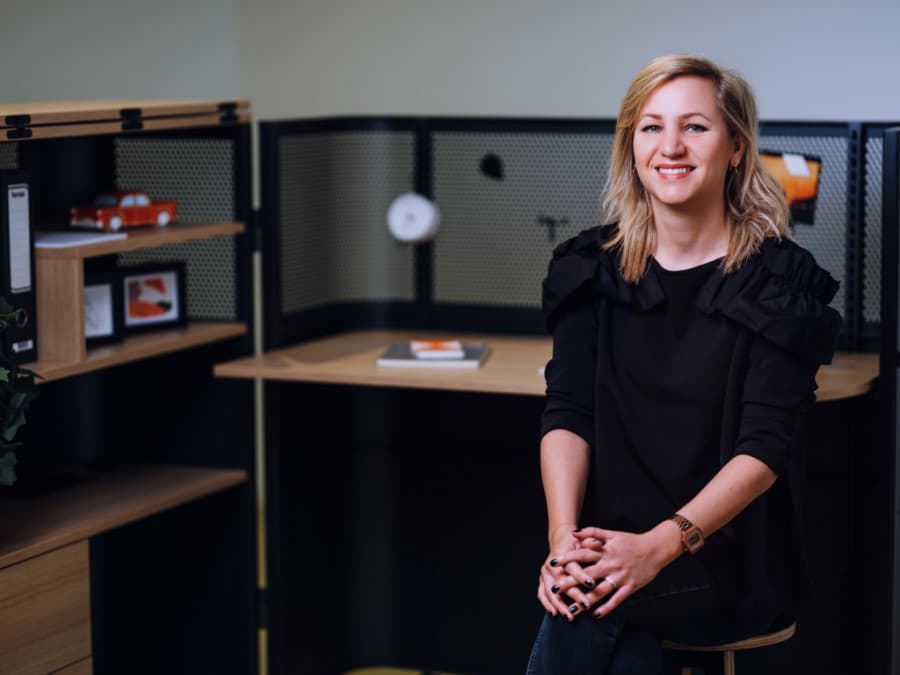
Workplaces have changed dramatically over the last decade. From traditional office layouts to hybrid work environments, the expectations placed on workspaces continue to evolve. For Anamaria Burazin Eškinja, Head of Design at movo, designing furniture and environments is not about following trends, it is about understanding how people work and creating spaces that adapt to them. With a background in industrial design and years of experience in retail, office, and product design, Anamaria has spent her career exploring the relationship between people, space and functionality.
“The most important thing is not whether a space follows current trends. It is whether it supports the people who use it every day.”
While workplace aesthetics continue to evolve, I believe that successful office design starts with understanding people rather than following trends. Colors, materials, and interior styles may change over time, but the goal remains the same: creating environments that support productivity while making people feel comfortable. This human-centered approach has become even more relevant as organizations rethink the role of the office in a hybrid world. Companies increasingly recognize that productivity is no longer tied to a fixed desk or a permanent office layout. Teams work differently, office attendance fluctuates, and workplace infrastructure must adapt accordingly. Workspaces need to support changing team structures, varying occupancy levels, and different modes of work. Instead of static environments, organizations require solutions that can evolve alongside their needs.
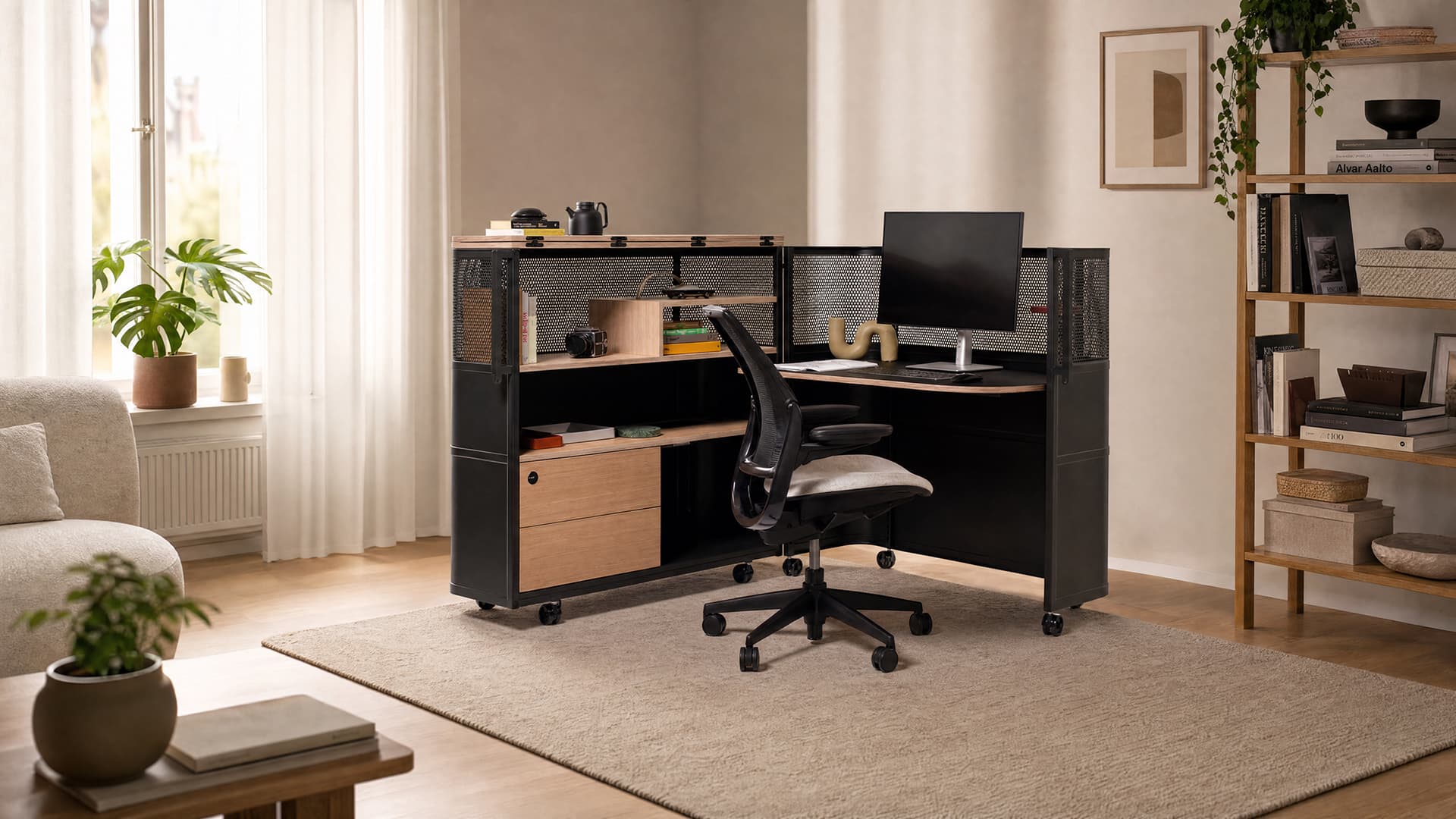
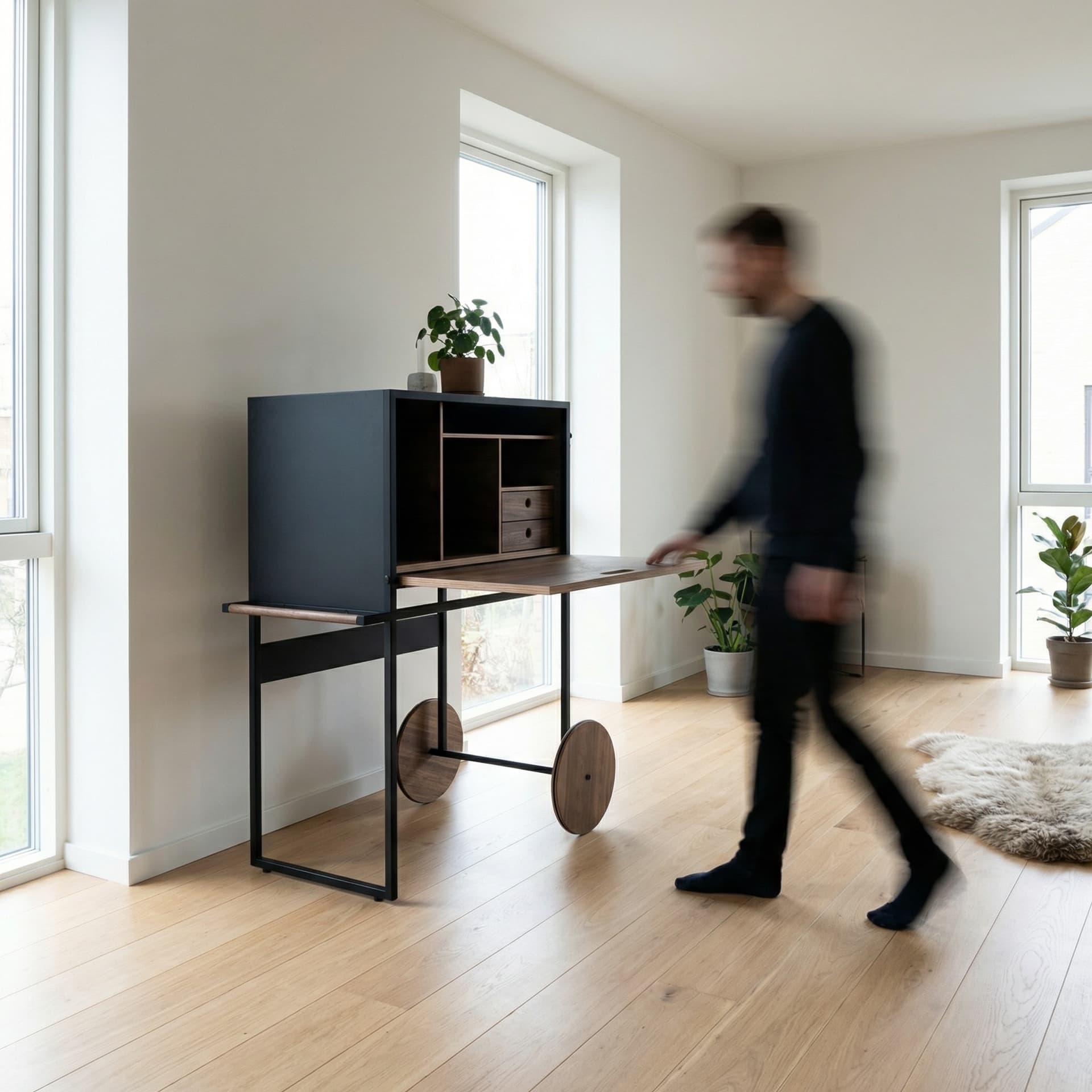
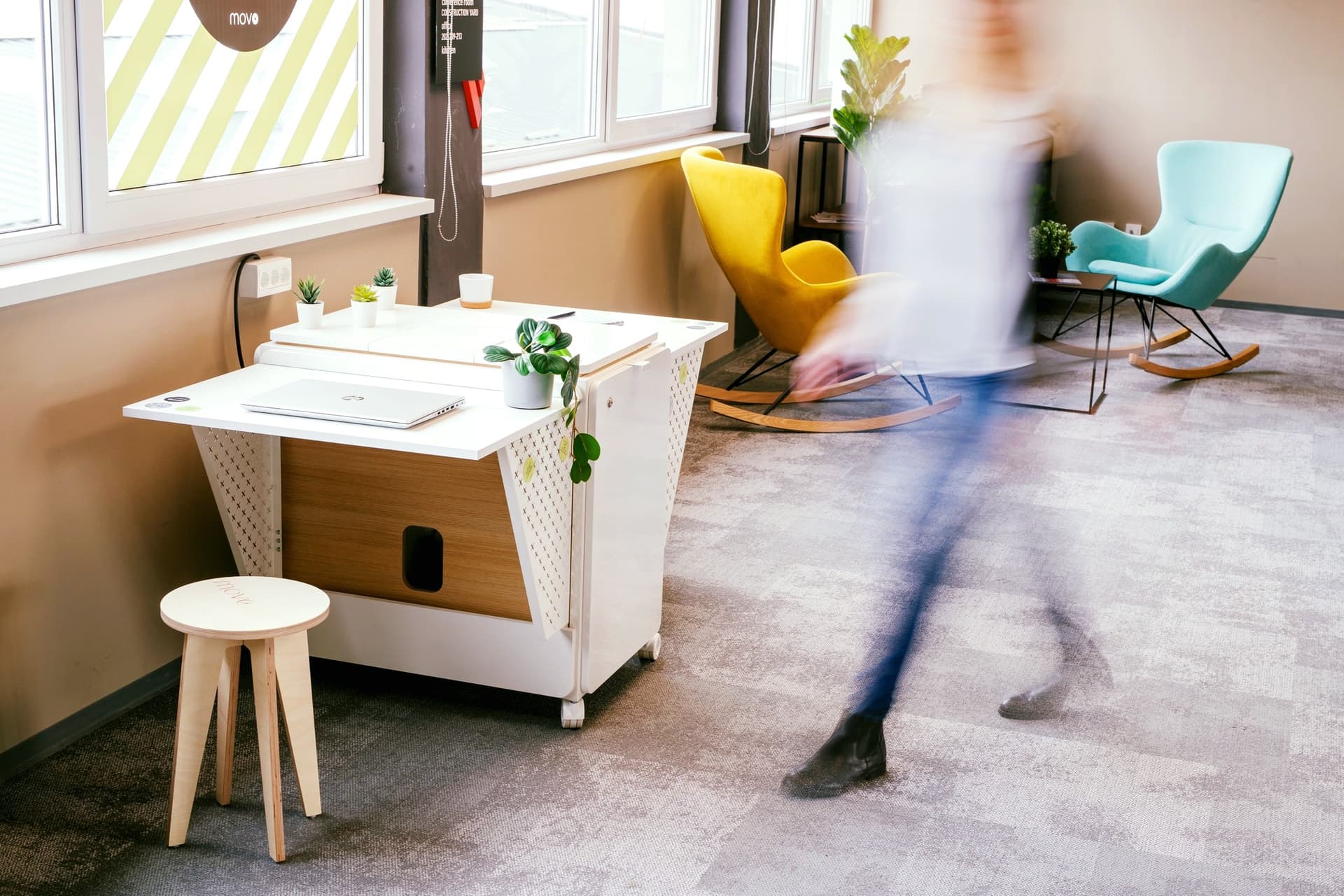
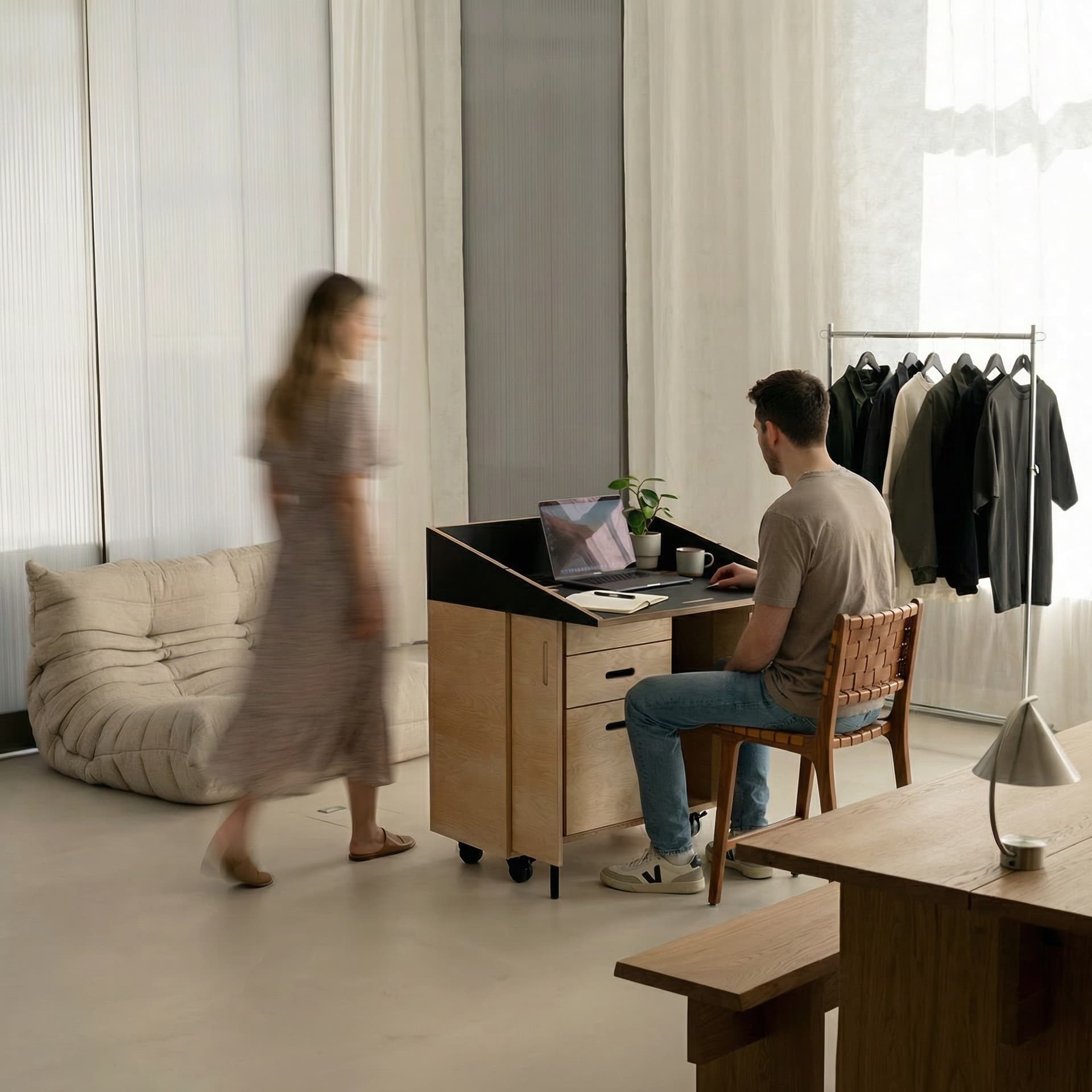
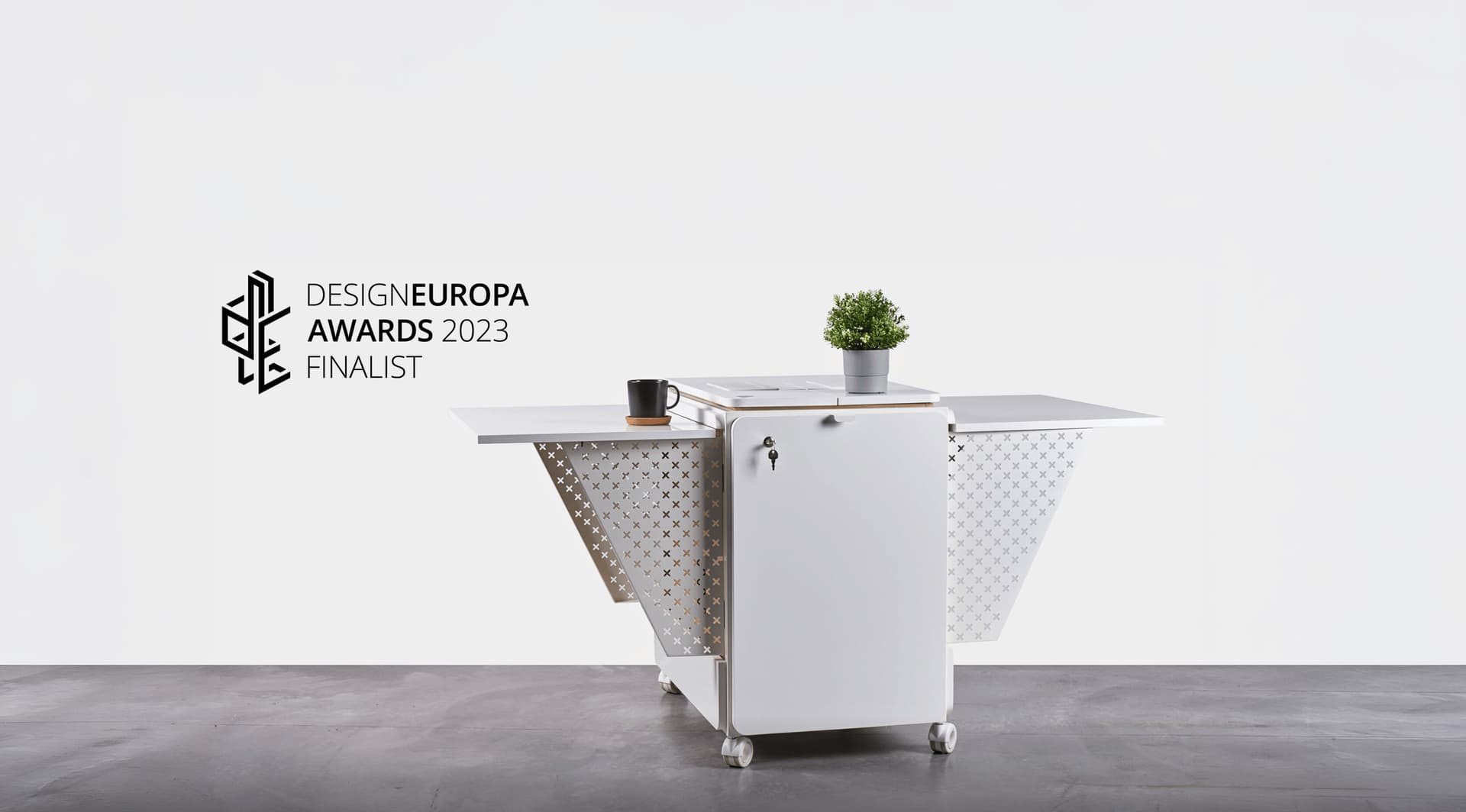
Originally developed in response to changing workplace needs, movo was designed to bring professional workspace functionality into environments where traditional offices are not possible. Every movo model combines mobility, storage, power integration, security, and flexibility within a compact footprint. Since its launch, the collection has received multiple international design awards and has found applications far beyond the home office. Today, movo can be found in corporate offices, coworking spaces, hotel lobbies, healthcare offices and hospitality environments. A well-designed workspace should not dictate how people work. Instead, it should adapt to changing needs, support productivity, and create an environment where people can perform at their best. As workplaces continue to evolve, one principle remains unchanged, great design begins with understanding people.
“There is no universal formula. The best workplace is always the one designed around the needs of the people using it.”